




Travel
Beginner's Guide to Visiting Ruined Abbeys: What to Bring and What to Expect
September 19, 2026
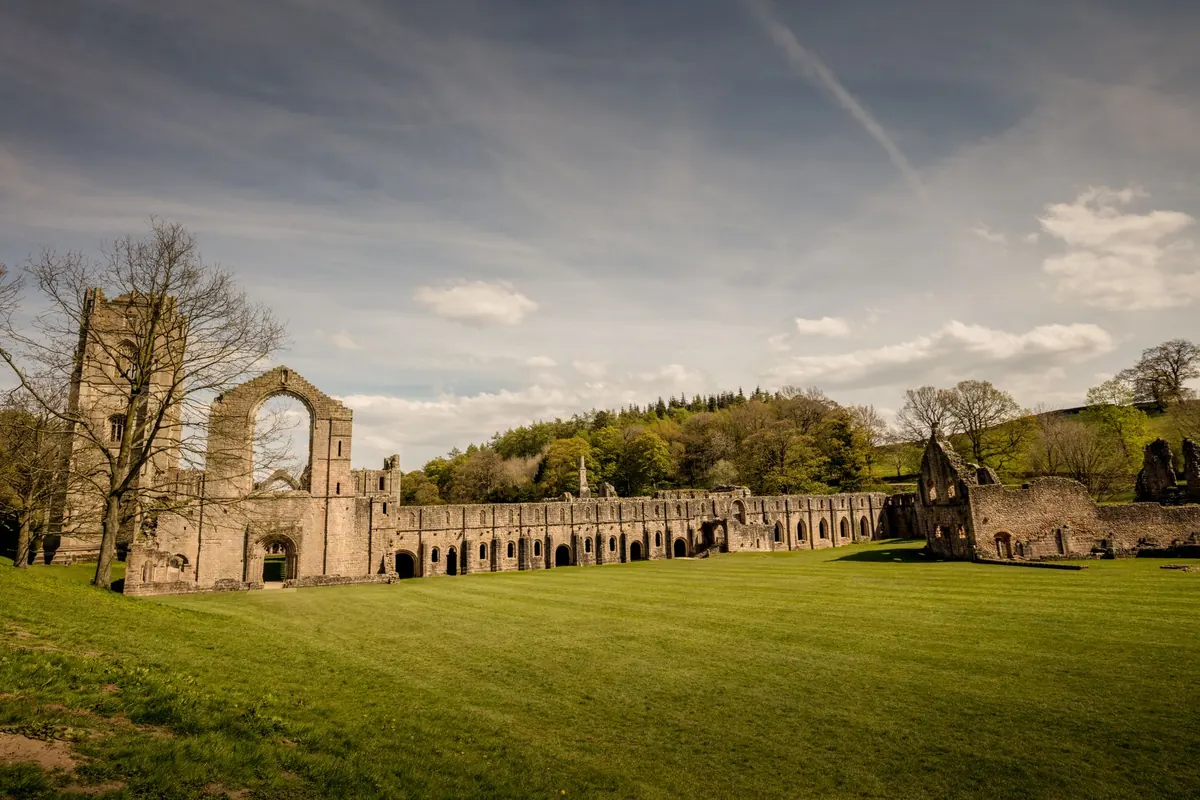
Ruined abbeys are not castles, and they are not quite museums. They are roofless churches, open cloisters, refectory walls holding nothing but weather. That is the appeal, and it is also what first-time visitors underestimate. A little preparation turns a quick photo stop into one of the most memorable afternoons of a trip.
What to expect: the shape of a ruined abbey
Most ruined abbeys follow a similar plan, even when the walls are low. You will usually find the church at the heart of the site, with the cloister attached to one side and domestic buildings around it: chapter house, refectory, kitchens, infirmary, sometimes a gatehouse. Some ruins are tall and dramatic, with arches still framing the sky. Others are little more than foundations and grassy mounds. Both are worth your time, but they ask for different expectations.
Interpretation matters. Many sites use panels, audio guides, or small museums to explain what you are seeing. Others leave you to read the stones. If you like context, check ahead or bring a short guidebook. If you prefer atmosphere, arrive without a plan and let the place set the pace.
Before you go: five practical checks
- Opening times and seasons. Many ruins are open daily in summer and limited in winter. Some close for events, filming, or conservation work. Check the official site the day before.
- Access and terrain. Look for notes on paths, steps, slopes, and whether wheelchairs or pushchairs can manage. A site that looks flat on a map may be grass and gravel underfoot.
- Facilities. Toilets, cafes, and shops are not guaranteed. Know the nearest town or village if you need a meal or a proper break.
- Weather. Ruins are exposed. Wind, rain, and sun hit harder when there is no roof. Check the forecast and dress for the worst hour, not the best.
- Transport and parking. Rural abbeys often have small car parks, narrow lanes, or a walk from the nearest bus stop. Work out the last mile before you set off.
What to bring (and what to leave behind)
Bring
- Sturdy shoes with grip. Trainers can work on dry days, but mud, wet stone, and loose gravel reward proper soles.
- Layers and a waterproof. Even a short visit can turn cold when the wind picks up.
- Water and a snack. You may be farther from a cafe than you think.
- A hat and sunscreen in summer. Shade is scarce in a roofless building.
- A phone or small torch for reading panels in low light, and a charged battery for maps.
- A bag you can carry. Cobbles and steps are easier with both hands free.
Leave behind
- Drones, unless you have checked local rules and permissions.
- Climbing shoes and the urge to scale walls. Masonry is fragile, and falls are serious.
- Loud speakers and picnics on fragile ground. Some sites allow blankets on lawns; many do not.
- Litter, including fruit peel and cigarette butts. Carry it out.
Uneven ground, fragile stone, and how to move through a ruin
The ground in a ruined abbey is part of the archaeology. Grass hides uneven floors, fallen stones, and old drains. Paths may be worn smooth, and steps can be shallow or steep. Keep to marked routes, even when a shortcut looks tempting. If a section is roped off, there is usually a reason: falling stone, nesting birds, or delicate flooring.
Take your time at thresholds. Doorways are often the narrowest and busiest points. Let people pass. If you are with children, set a meeting point and explain why climbing is not allowed. If you have a health condition that affects balance, stamina, or breathing, speak to a medical professional before a long visit, and ask the site about accessible routes. Many ruins have improved paths, but not all.
Weather, light, and the exposed reality
An abbey ruin has no roof, no heating, and few sheltered corners. Rain makes stone slippery and grass muddy. Wind can make a summer day feel like autumn. Heat reflects off pale walls and gravel. In winter, ice can linger in shaded cloisters long after the car park has thawed.
Light is the reward. Early morning and late afternoon soften the stone and bring out shadows in the arches. Midday can be flat and busy. If you are photographing, bring a cloth for your lens and be patient with passing clouds. If you are simply sitting, notice how the weather moves through the site. The exposed position is not a flaw; it is part of the experience.
Facilities, crowds, and the quiet rhythm
Facilities at ruined abbeys range from a full visitor centre to a single information board. Toilets may be at the entrance, in a nearby village, or nowhere at all. Cafes often close earlier than the ruins. Plan your food and water accordingly, and keep a little flexibility for a late lunch in town.
Crowds follow the same pattern as light: quiet at opening, busy in the middle of the day, quiet again before closing. Coach groups can arrive without warning. If you want solitude, aim for the edges of the day and avoid public holidays.
The quiet rhythm is the thing people remember. Voices carry in open ruins. A phone call echoes across the cloister. That is not a reason to stay silent the whole time, but it is a reason to notice your volume. Sit on a bench or a low wall. Listen to birds, wind, and footsteps. Let the site be slow.
A short practical closing: your first visit, step by step
Check the official website for hours, closures, and access notes. Pack sturdy shoes, water, and a waterproof. Arrive early or late, not at midday. Walk the perimeter first to understand the plan, then explore the church and cloister. Sit for ten minutes without taking a photo. Stay on paths, respect roped-off areas, and carry out everything you bring in. Leave time for the nearby town or landscape, because ruined abbeys rarely sit alone. With that small bit of preparation, you will be ready for the uneven ground, the exposed weather, the limited facilities, and the quiet that makes these places worth the journey.
Photo: Michael D Beckwith / Pexels
Related posts
More stories you’ll love reading