July afternoons have a way of sneaking up on pet owners. The morning walk feels pleasant, the backyard looks inviting, and by two o'clock your dog is spread flat on the bathroom tile while your cat has vanished under the bed. Heat doesn't announce itself. It builds — in the car, on the sidewalk, in a water bowl that's been sitting in the sun since breakfast. What follows is a working checklist for getting dogs and cats through the hottest months comfortably, and for recognizing when a rough afternoon has turned into something that needs a veterinarian.
Water: More Bowls, Fewer Excuses
Most pets drink less than their owners assume. A dog who naps through the afternoon may not touch a bowl until evening and then gulp enough to make himself sick. The fix is placement, not pressure.
Set out at least three water stations: one in the kitchen, one near wherever your pet naps, and one outside in the shade. Refresh them twice a day — warm, dusty water gets refused. Wash bowls every other day, because a slimy bowl is a bowl a cat will quietly stop using.
Cats are fussier still. Many prefer running water, a wide bowl that doesn't brush their whiskers, or glass and ceramic over plastic. A fountain helps some cats drink noticeably more. You can also add moisture through food by stirring a spoonful of water into wet food. If your pet enjoys ice cubes, drop a couple in; if they ignore them, don't push it.
Watch for dehydration: gums that feel tacky rather than slick, skin on the shoulder blades that stays tented when you gently pinch and release it, sunken eyes, unusual lethargy. Those signs are worth a call to your vet rather than a wait-and-see approach.
Shade Moves — Check It Again at Noon
A corner of the yard that's comfortably shaded at 10 a.m. can be full sun by 1 p.m. Walk outside in the middle of the day and stand where your pet normally rests. If you're squinting, they're baking.
Indoors, air conditioning matters more than most people realize. Dogs cool mainly by panting and cats by grooming and seeking cool surfaces, so a fan alone doesn't do for them what it does for us. If you don't run the AC all day, pick one room to keep cool — usually the one with the least afternoon sun — and make it the pet room. Close the curtains on west-facing windows.
Useful additions:
- Cooling mats or a damp towel on a hard floor for pets who like to sprawl
- Access to tile or concrete in a hallway or basement, which stays cooler than carpet
- A shaded kiddie pool or a sprinkler for water-loving dogs, always supervised
- Elevated cots or beds rather than thick, insulated cushions
And the rule that never has exceptions: never leave a pet in a parked car. Cracking the windows doesn't change the math. Neither does parking in the shade.
The Pavement Test Takes Seven Seconds
Press the back of your hand to the pavement and hold it there for seven seconds. If you can't, it's too hot for paws. This applies to asphalt, concrete, artificial turf, sand, and the metal bed of a pickup truck — surfaces that can run far hotter than the air around them.
Shift walks to early morning and after sunset. Midday is for backyard bathroom breaks in the grass, not a loop around the block. If your route is unavoidable, stick to grass and dirt paths, and consider booties or a paw balm for pets who tolerate them. After a hot walk, check pads for redness, blistering, or a pet who keeps licking one foot. Limping in the days after a hot day is a sign to see a vet.
Early Signs of Heatstroke
Heatstroke is a medical emergency, and it moves fast. In dogs, watch for:
- Heavy, frantic panting that doesn't slow down when they rest
- Thick, ropey drool or a wide-eyed, panicked expression
- Gums and tongue that look bright red, or later, pale or grey
- Wobbling, stumbling, or refusing to stand
- Vomiting, diarrhea, confusion, or collapse
Cats hide discomfort well, which makes one sign especially important: panting. A cat who breathes with an open mouth, drools, or seems restless and glassy-eyed needs attention right away.
If you suspect heatstroke, move your pet into air conditioning or deep shade, wet their paws, ears, belly, and inner thighs with cool — not ice-cold — water, and point a fan at them. Offer small amounts of water but don't force it. Then call your veterinary clinic or an emergency vet and start driving. Cooling too aggressively with ice baths can cause other problems, so keep it gradual and get professional help.
Some Pets Need Shorter Walks
Certain animals are at higher risk and deserve a more conservative summer schedule: flat-faced breeds like pugs, bulldogs, boxers, Persians, and Himalayans; puppies, kittens, and seniors; overweight pets; thick-coated and double-coated breeds; and any pet with heart, lung, or breathing conditions. For these animals, two ten-minute walks beat one long one, and a shaded backyard counts as exercise.
Long-haired cats and dogs still need grooming in summer, but avoid shaving a double coat down to the skin — it insulates against heat as well as cold. A brush-out to remove loose undercoat does more good.
A Ten-Minute Daily Check
Summer pet care isn't complicated, it's just repetitive. Each morning: refill and rinse the bowls, walk the yard to see where the shade actually is, test the pavement before you clip on the leash. Each afternoon: check that the cool room is still cool and that your pet is drinking and behaving normally. Each evening: a quick look at paws, gums, and energy level.
If something seems off — a dog who won't eat, a cat who's panting, a pet who's quieter than usual on a hot day — trust that instinct and call your veterinarian. Heat-related illness is far easier to treat in the first hour than the third, and no owner has ever regretted making that call too early.
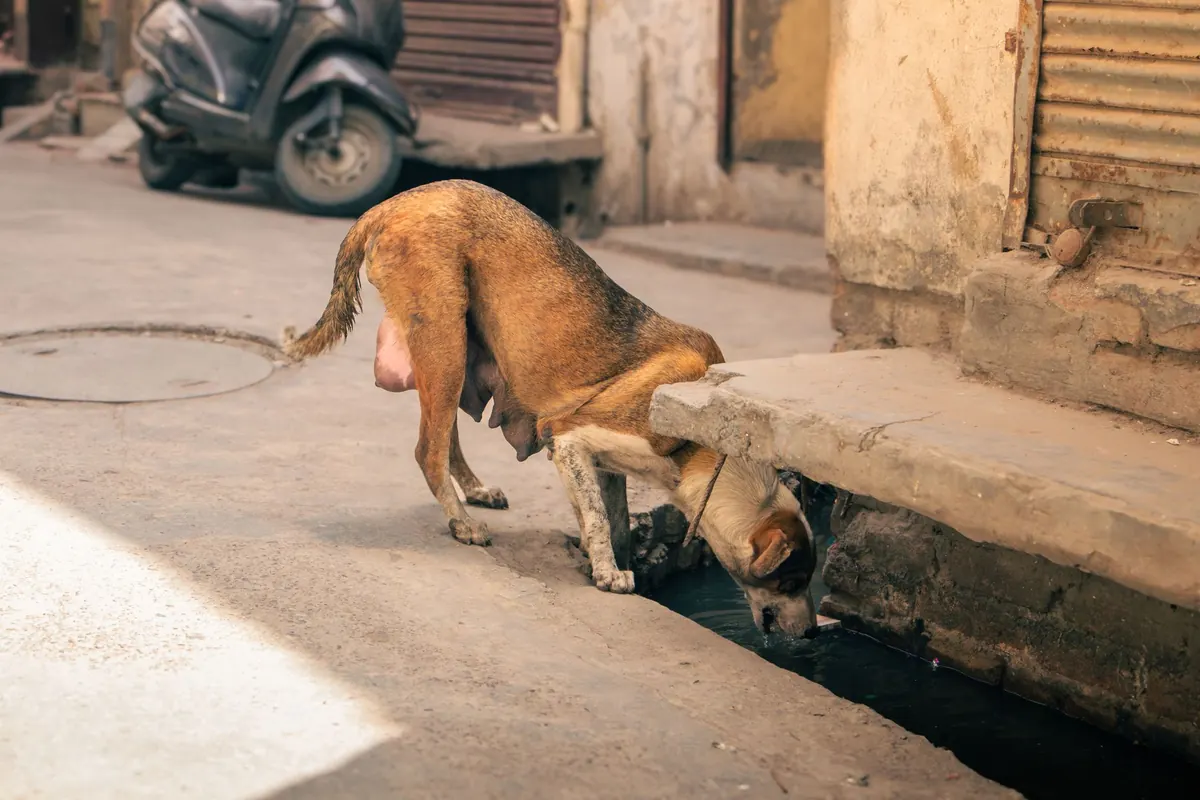
Photo: Anurag Jamwal / Pexels